Skip to content

The collection

A catalogue of Welsh and period furniture, by form.

Every antique is one of a kind, and only a few pieces are photographed here. So this catalogue is arranged the way a collector thinks: by form, by period, by timber. Where a piece is photographed, it appears as a plate. For everything else, ask.

Where a piece is listed on Creative Caernarfon, its entry links straight to it. Listings checked 2 October 2026; stock is one-off, so ask Sara if a listing has gone.

POn Creative Caernarfon

Pieces listed now

Every piece shown whole, in the photographs from its own listing. Titles, periods and sizes are as listed; for anything else, and to check a piece is still available, ask Sara.

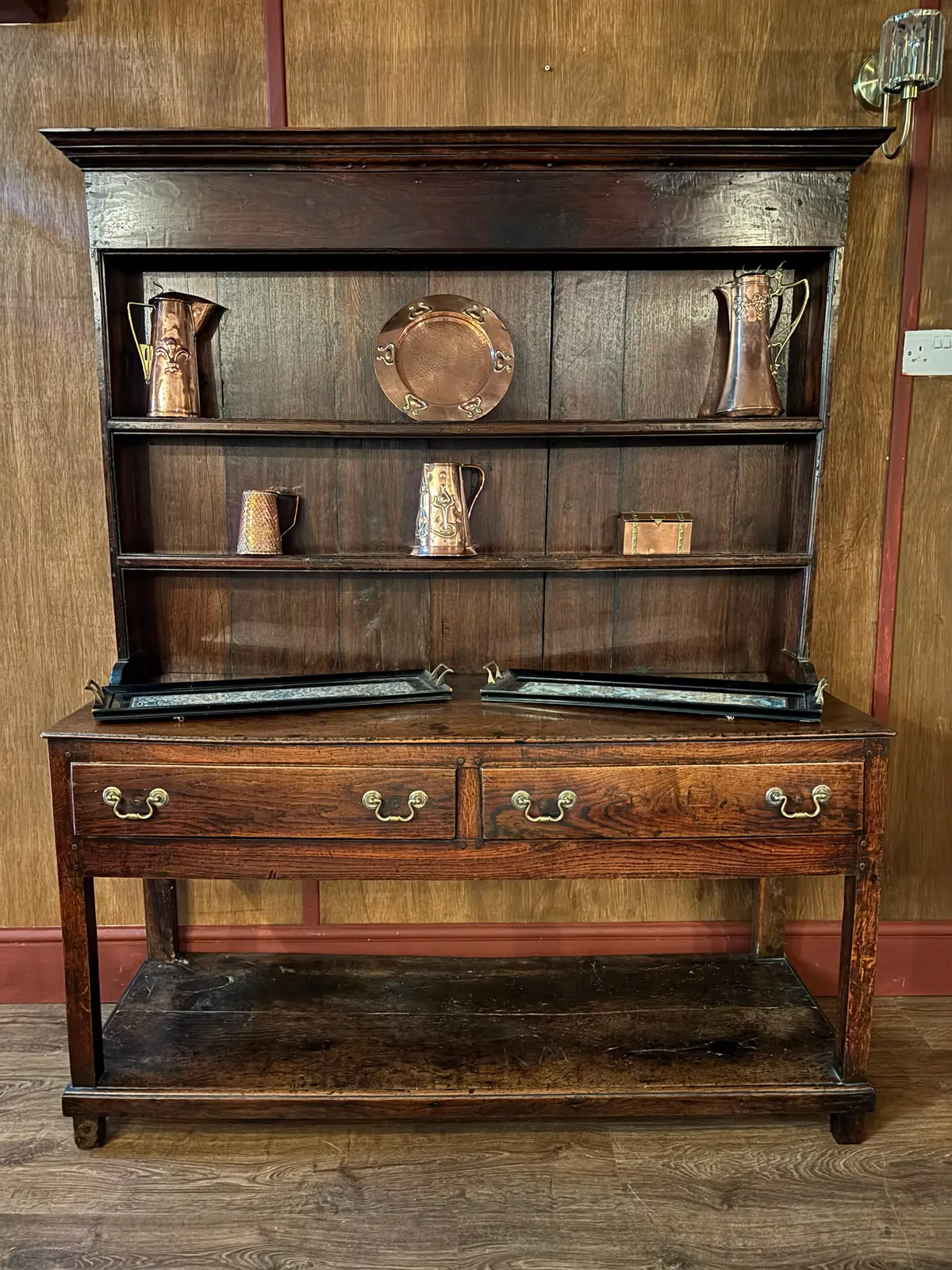
Small oak Welsh dresser with an open plate rack over a two-drawer base and a low pot board, dressed with copper jugs and a copper charger

No.01

Welsh dresser

Timber
Oak
Size
68 in high (base 29¼ in), 57½ in wide, 18½ in deep

Price on application. Ask Sara whether it is still here.

Plate 01

Small Pot Board Welsh Oak Dresser

A small period pot board dresser: open plate rack over a two-drawer base and a low pot board. The Arts and Crafts copper and the embroidered trays are the owner's own collection, shown for display only.

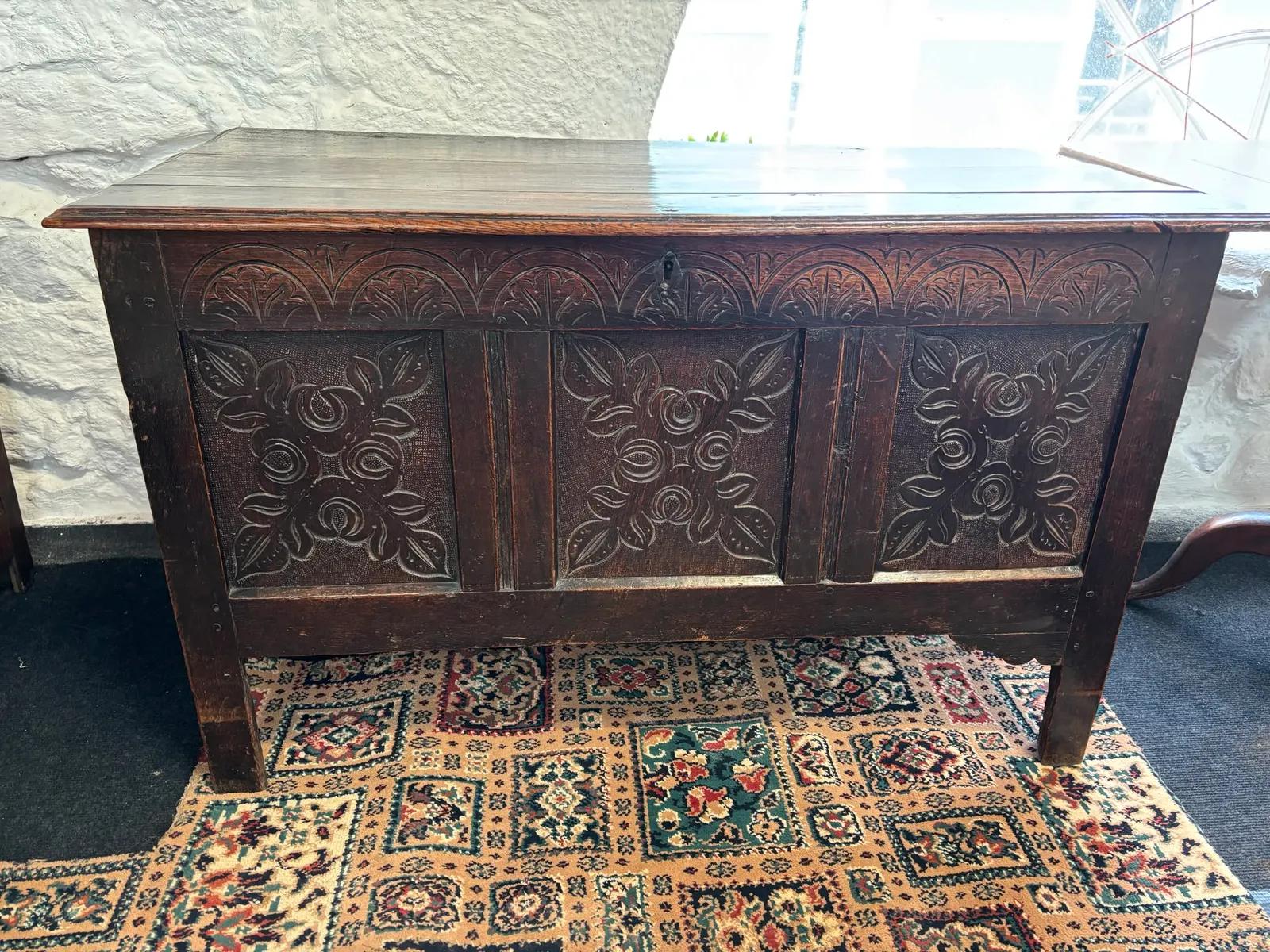
Panelled oak coffer with three carved front panels, standing on a patterned rug

No.02

Coffer

Timber
Oak

Price on application. Ask Sara whether it is still here.

Plate 02

Period Oak Coffer

A panelled oak coffer with carved front panels and a plain lid. More detailed photographs are available from Sara on request.

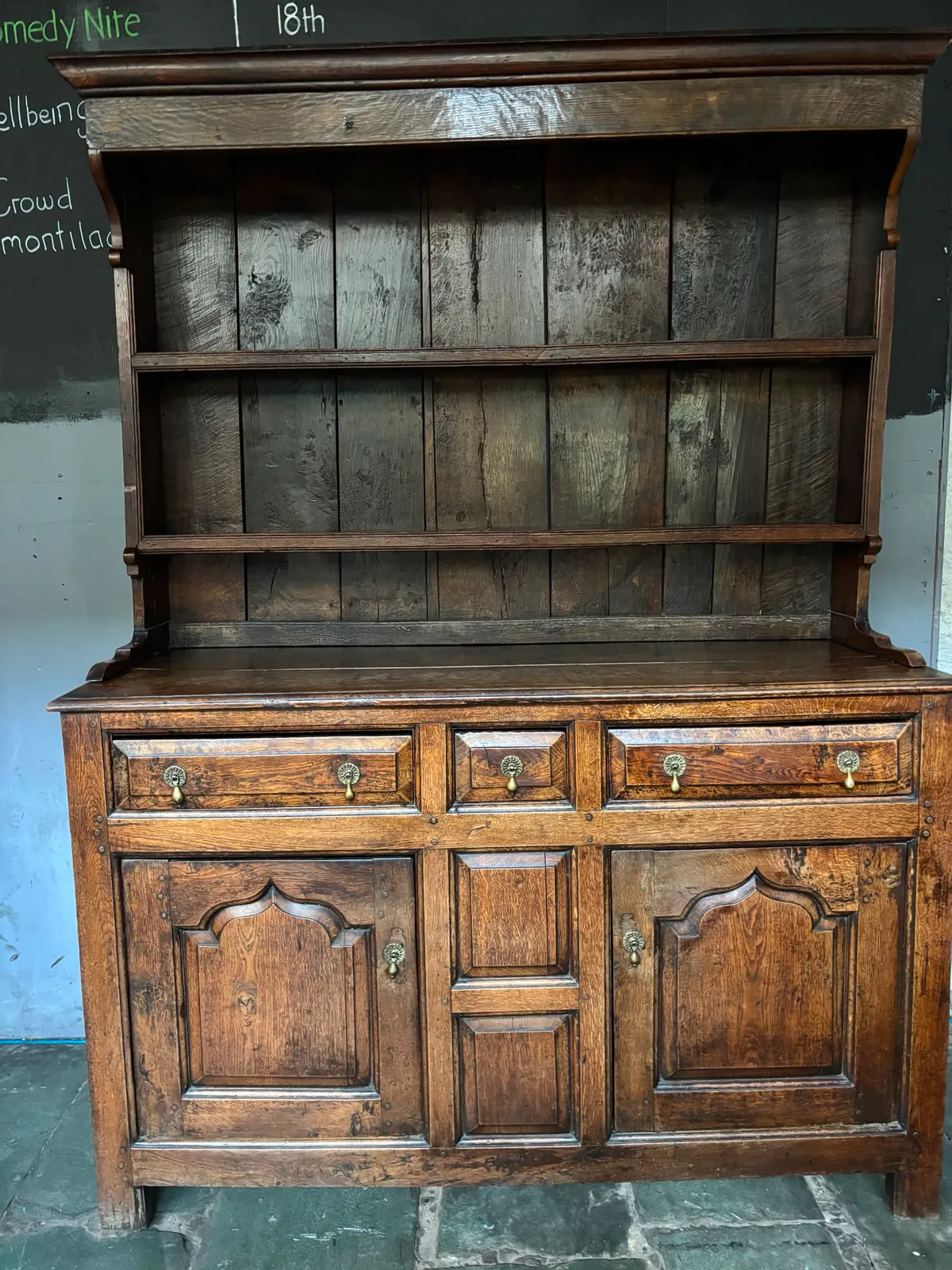
Oak Welsh dresser with an open plate rack above three drawers and panelled cupboard doors with shaped fielded panels

No.03

Welsh dresser

Timber
Oak
Period
18th century, as listed

Price on application. Ask Sara whether it is still here.

Plate 03

Period 18th Century Welsh Oak Dresser, Caernarfonshire

A Caernarfonshire oak dresser: open rack above a base of three drawers over panelled cupboard doors.

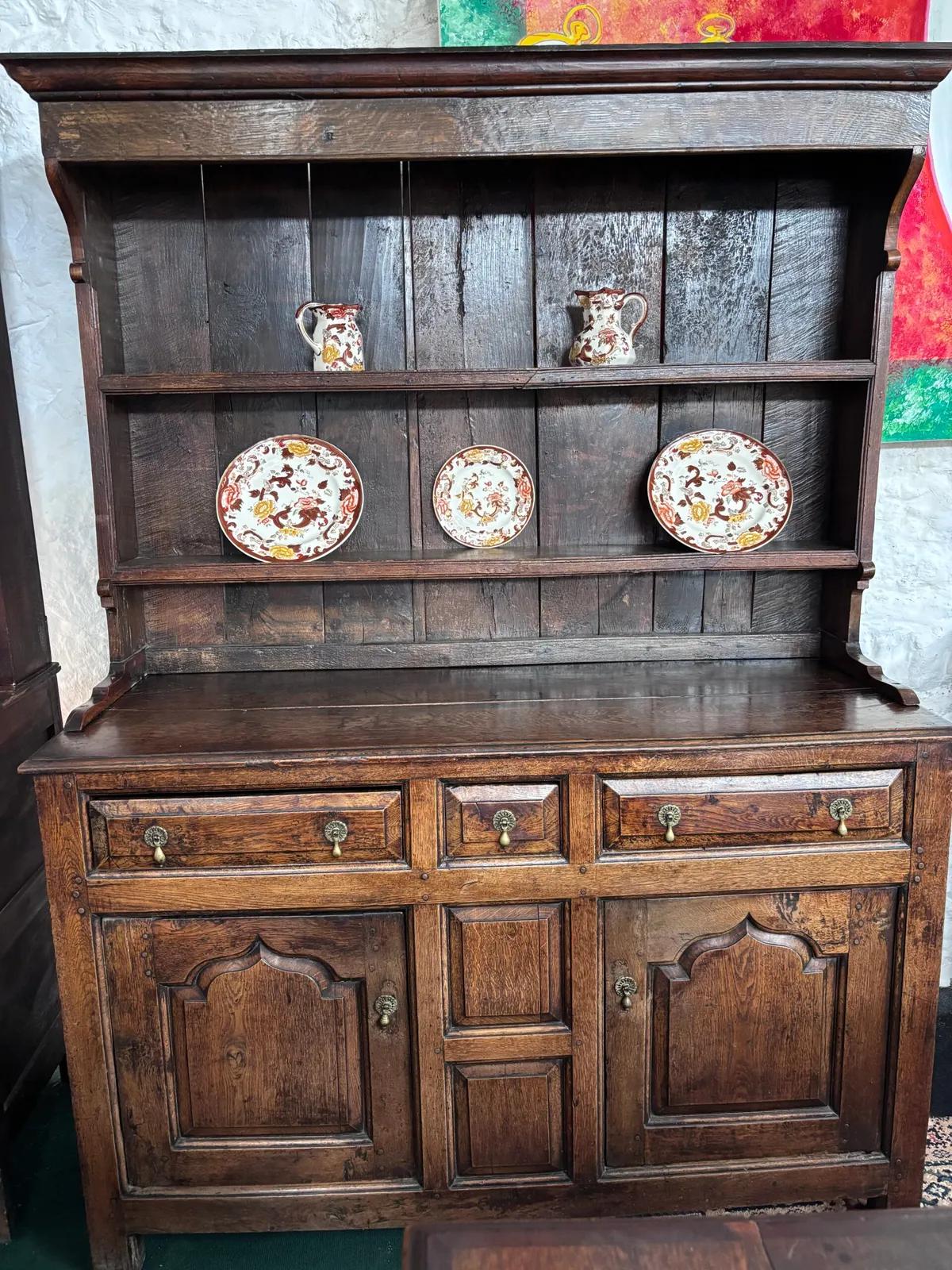
Oak North Wales dresser with an open plate rack displaying plates and jugs, over drawers and panelled cupboard doors

No.04

Welsh dresser

Timber
Oak

Price on application. Ask Sara whether it is still here.

Plate 04

Antique Welsh Dresser of North Wales

A North Wales oak dresser with a closed base: drawers over cupboard doors, the rack dressed with plates and jugs for display.

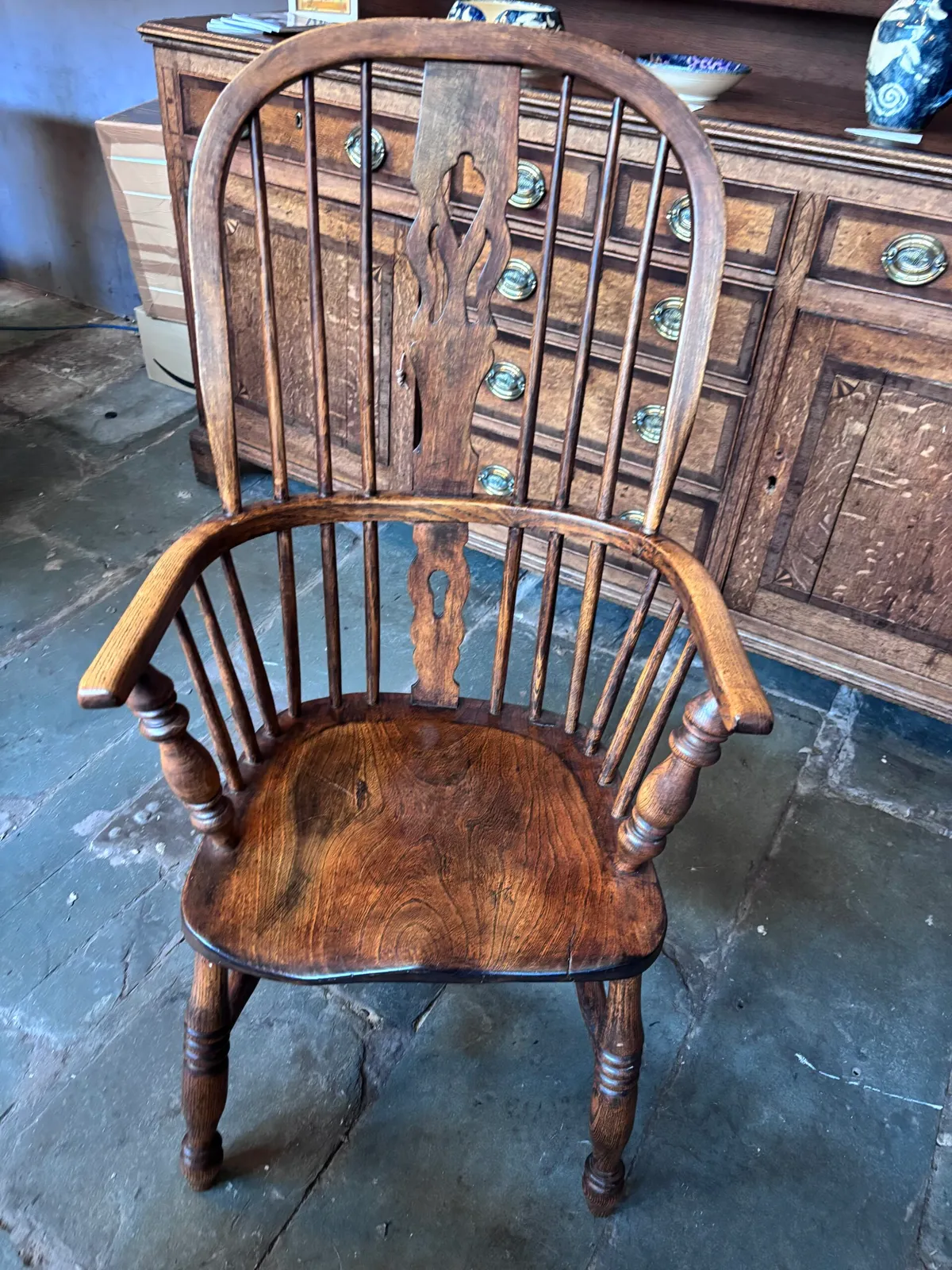
Antique Windsor armchair with a hooped spindle back, pierced central splat, saddle seat and turned legs

No.05

Windsor chair

Priced on Creative Caernarfon. Ask Sara whether it is still here.

Plate 05

Antique Windsor Chair

A hooped-back Windsor armchair with a pierced central splat, spindle back, saddle seat and turned legs.

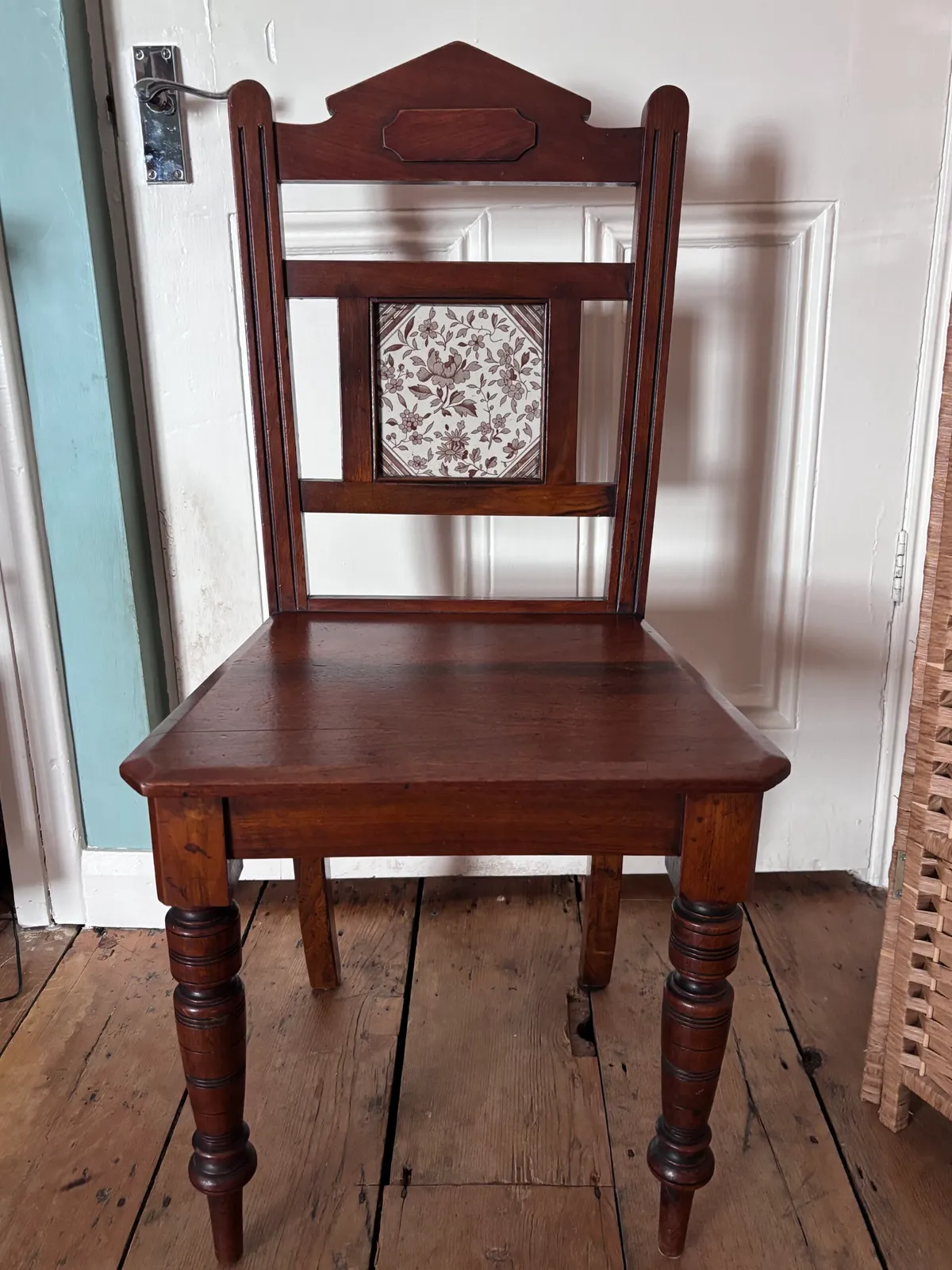
Victorian hardwood chair with a floral ceramic tile inset into the back and turned front legs

No.06

Hall chair

Timber
Hardwood
Period
c. 1880 to 1900, as listed

Priced on Creative Caernarfon. Ask Sara whether it is still here.

Plate 06

Victorian Chair with Decorative Tile Back

Aesthetic Movement chair with a floral ceramic tile set into the back, clean geometric lines and turned front legs. Listed in good antique condition with wear consistent with age.

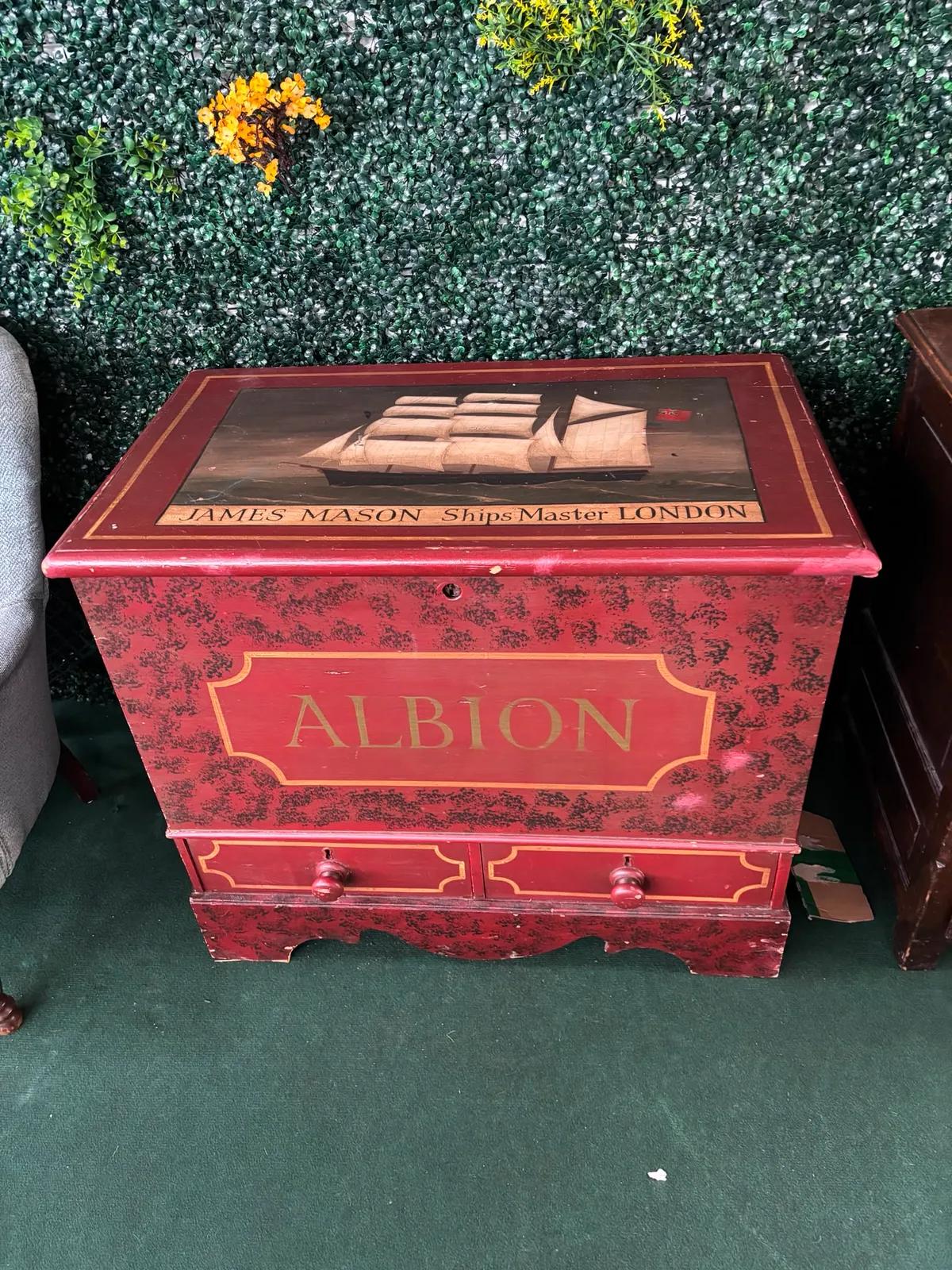
Red painted mule chest with a sailing ship painted on the lid, the name Albion on the front and two drawers below

No.07

Mule chest

Period
Vintage, as listed

Priced on Creative Caernarfon. Ask Sara whether it is still here.

Plate 07

Nautical Mule Chest

A painted mule chest with a sailing ship on the lid and two drawers below the well.

I

Welsh forms

The pieces with Welsh names, and the dresser that stood in nearly every Welsh farmhouse kitchen.

01

Worth asking

  • Did rack and base start together?
  • Base height on its own
  • Original cornice and backboards?

02

Tridarn

three-stage press cupboard

A press cupboard in three stages, finished with an open canopied tier at the top. Tall and architectural, and generally associated with North Wales.

Worth asking

  • Is the top tier original?
  • Overall height with cornice
  • Do the stages separate?

03

Deuddarn

two-stage press cupboard

The two-stage press cupboard: a recessed upper cupboard under a canopy, over a cupboard base. Carved initials and dates on the frieze are worth asking about.

Worth asking

  • Is a carved date original?
  • Replaced doors or panels?
  • Width and depth

04

Coffer-bach

small coffer

A small Welsh coffer with a lifting lid, often with a drawer or two beneath. Easy to place in a modern house, which is part of the appeal.

Worth asking

  • Original hinges and lock?
  • Replaced feet?
  • Inside measurements

05

Press cupboards

cwpwrdd

Large cupboards for linen and household goods, often in two parts with a recessed upper stage. The Tridarn and Deuddarn are Welsh members of the same family.

Worth asking

  • Two parts or one?
  • Shelving inside original?
  • Weight and access for delivery

II

Clocks

Long-case clocks, where the dial, the movement and the case each have their own story.

06

Long-case clocks

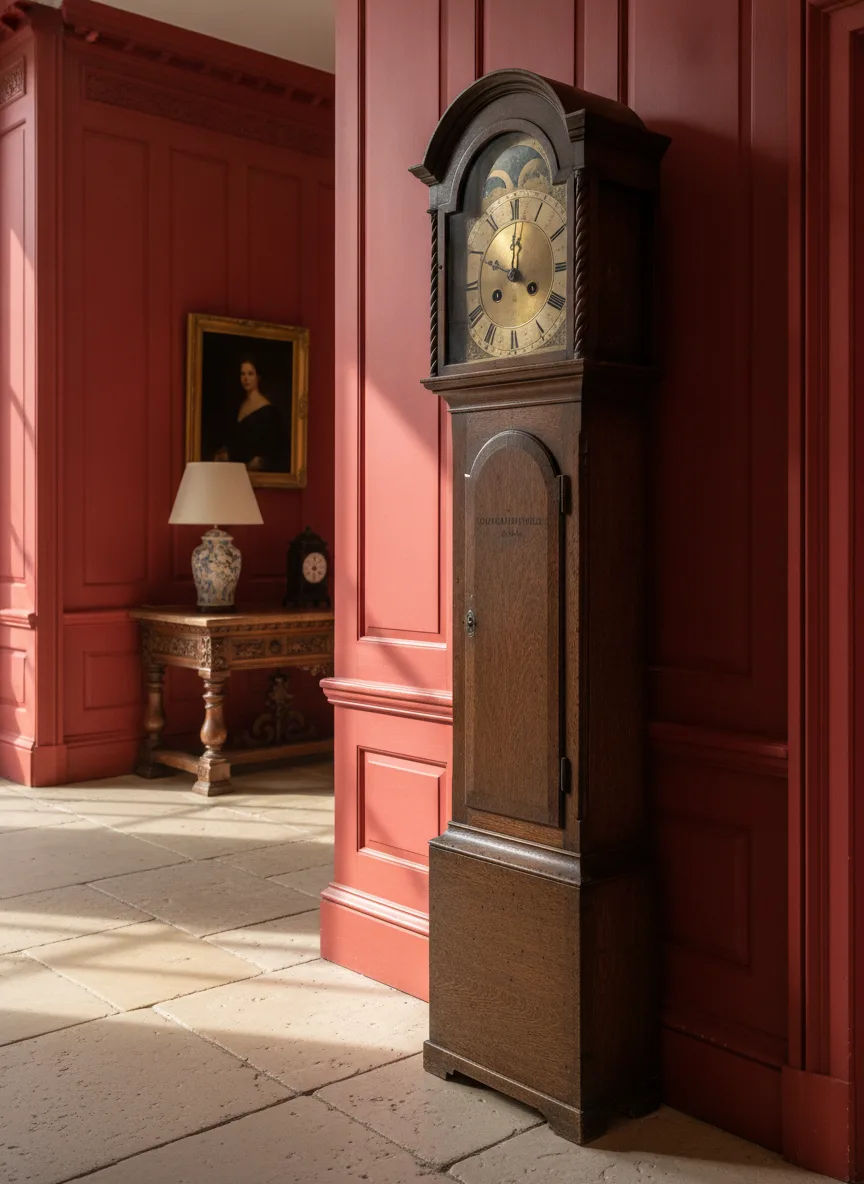
Tall pendulum clocks with a hood, trunk and base. Check whether the movement is 30-hour or 8-day, whether case and movement started together, and the full height against your ceiling.

Worth asking

  • 30-hour or 8-day?
  • Case and movement together?
  • Height with finials

III

Tables, chests and storage

Everyday country furniture: what families ate at, stored in and sat on.

07

Antique tables and chairs

Kitchen, farmhouse and refectory tables, with the chairs, stools and settles that went with them. Tops are often boarded and have shrunk and moved over time. Leg height and the depth of the frieze decide whether chairs will slide underneath.

Worth asking

  • Top original to the base?
  • Height under the frieze
  • Do the chairs match the table?

10

Antique cupboards

Hanging cupboards, food cupboards and corner cupboards. Doors, hinges and backboards are where later repairs usually show.

Worth asking

  • Original doors and hinges?
  • Inside shelving
  • Free-standing or built in?

11

Antique cabinets

Glazed and panelled cabinets for display and storage. Old glass, replaced glazing bars and the condition of the back are the things to look at.

Worth asking

  • Original glass?
  • Locks and keys
  • Back panels

IV

By period and timber

For buyers who start from the house rather than the form: the era of the rooms, or the wood that suits them.

14

Victorian furniture

Furniture from 1837 to 1901, including the carved oak revival pieces that echo earlier styles. Ask whether carving is of the period or added later.

Photographed: Plate 06, Victorian Chair with Decorative Tile Back

Worth asking

  • Period carving or later?
  • Solid or veneered?
  • Repairs to joints

15

Worth asking

  • Any splits or movement?
  • Original colour or stained?
  • Signs of past woodworm

18

Rustic furniture

Plainer, heavier pieces where wear and repair are part of the character. Worth knowing which repairs are old and which are recent.

Worth asking

  • Old repairs or new?
  • Stability and fixings
  • Indoor or outdoor history

V

Miscellaneous and fine art

Pieces that do not sit under a single form, and pictures and prints that come with the furniture.

19

Miscellaneous

Smaller antiques and one-off pieces that do not fit another heading: country objects, treen, mirrors and the occasional surprise. Stock changes often, so ask what is in.

Worth asking

  • Size and weight
  • Condition and any repairs
  • Where it was found

20

Fine art

Paintings, drawings and prints sourced alongside the furniture. Ask about the medium, the frame and anything known about the artist or earlier owners.

Worth asking

  • Medium and support
  • Original frame?
  • Signature or inscription

Buying from the catalogue

Questions about the collection

Or call Sara

01286 400155

Every antique is one of a kind, so the catalogue is arranged by form and period rather than as a list of stock. Photographed pieces are shown as plates; for everything else, tell Sara what you are looking for.

Possibly not. Ask Sara on 01286 400155 or through the enquiry form before you plan anything around a piece.

Use the Ask Sara link on its plate, which fills in the enquiry form for you, or call. Ask for photographs, measurements, condition notes and what is known of its history.

Purchases complete through Creative Caernarfon. This site takes enquiries only and takes no payment.

It depends on the piece. Ask Sara directly what work, if any, has been done to the one you are looking at, and which parts are original.

Height for the rack and cornice, a wall wide enough for the base, and a route in. Many dressers separate into rack and base, so ask for the measurements of each part as well as the overall height.

A 30-hour movement is usually wound daily by pulling a rope or chain; an 8-day movement is wound weekly with a key through the dial. Ask which a clock has and whether it is running.

Put it in the enquiry form: the form, the size it has to fit, the period you like and anything you would rather avoid.

Count the stages. A Tridarn has three and ends in an open canopied tier at the top; a Deuddarn has two, a recessed upper cupboard under a canopy over a cupboard base. Both are Welsh press cupboards, and the Tridarn is generally associated with North Wales.

It can. Old oak moves with humidity, so a dry, centrally heated room may open up joints and panels over a winter. It is worth asking Sara about any splits or movement already in a piece, and whether it is in its original colour.